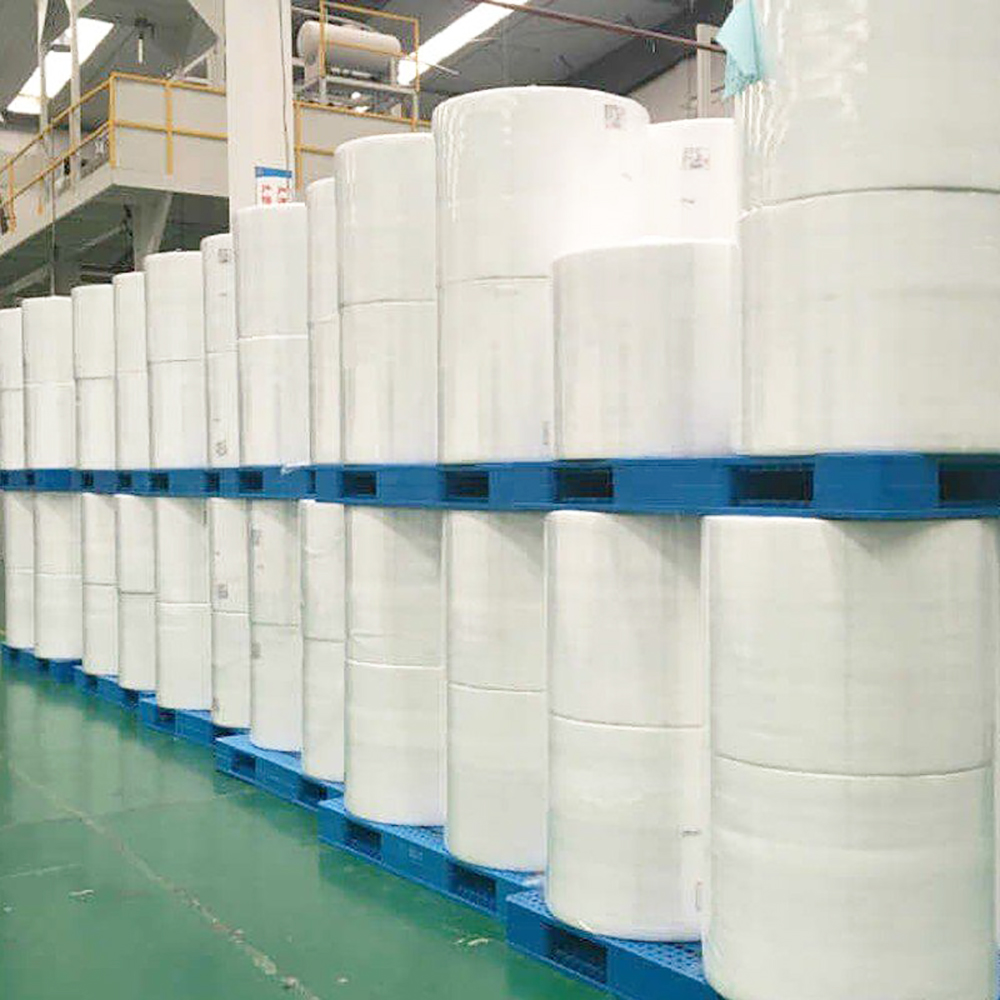
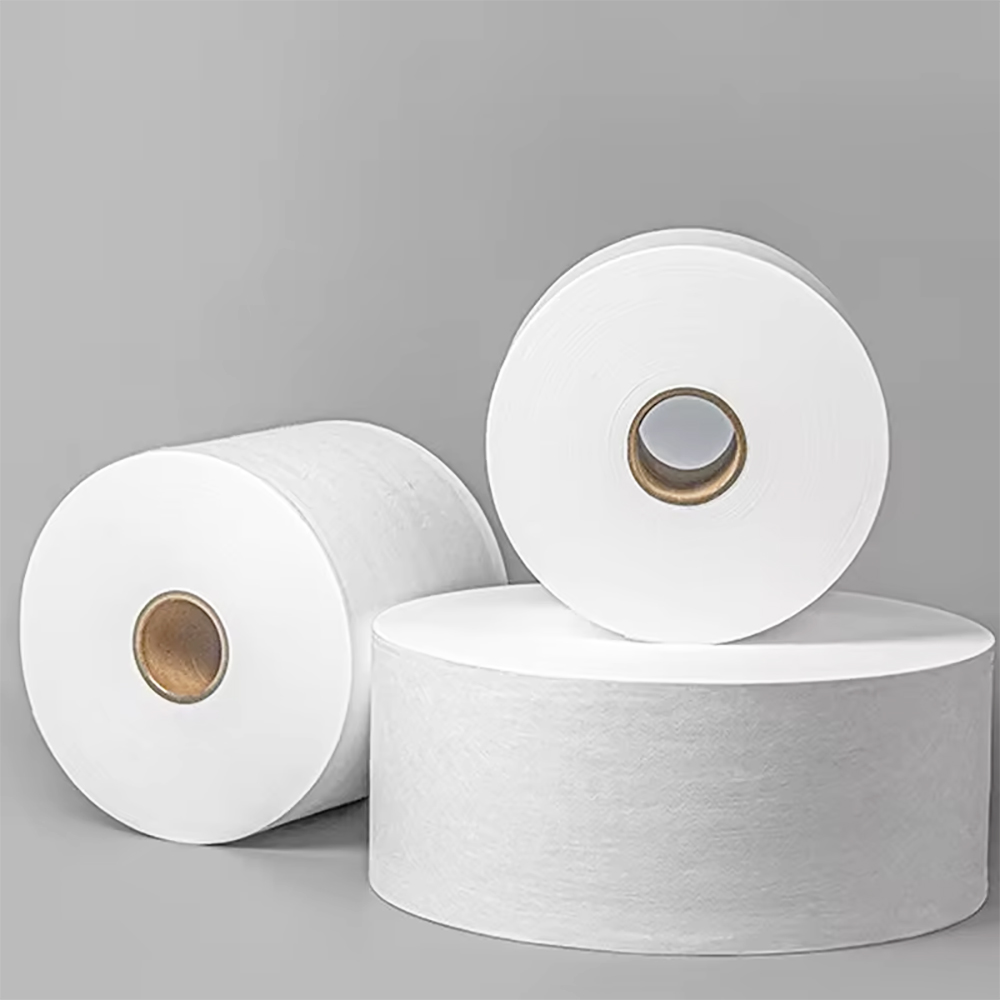
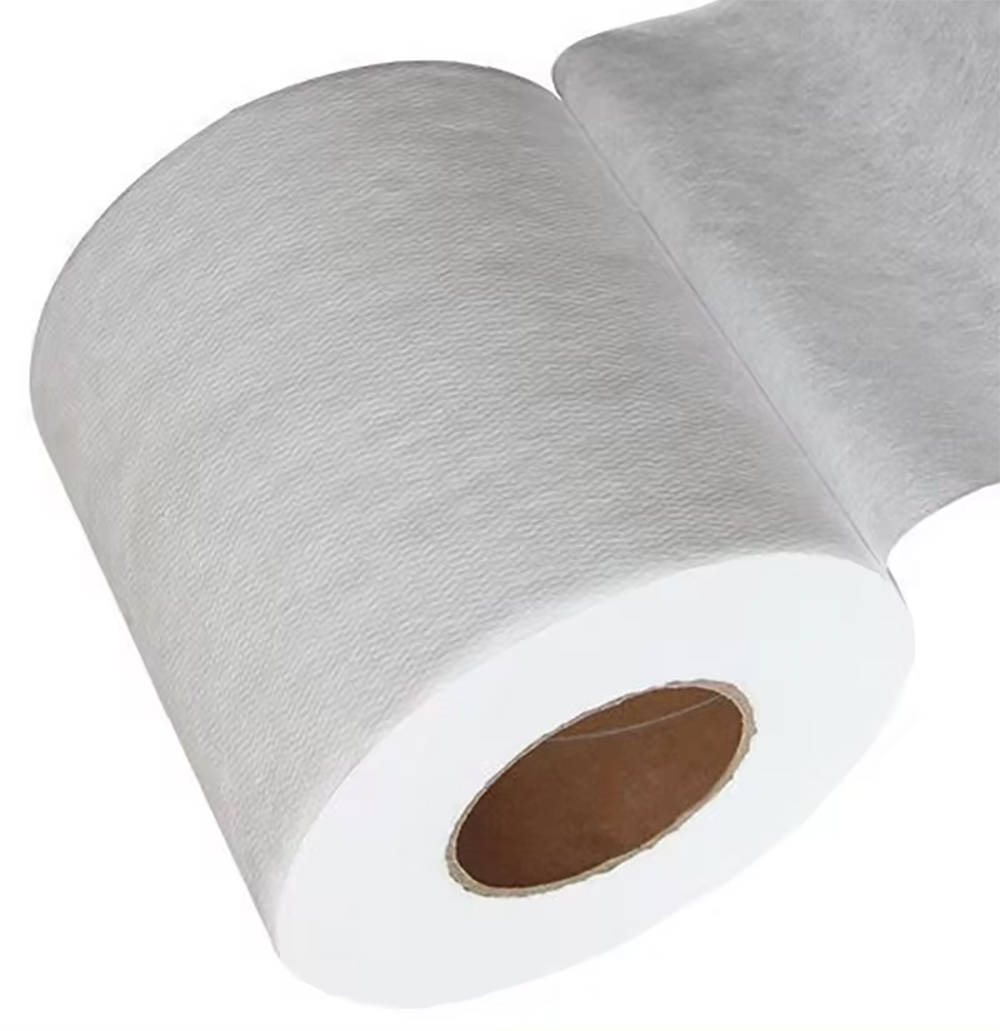
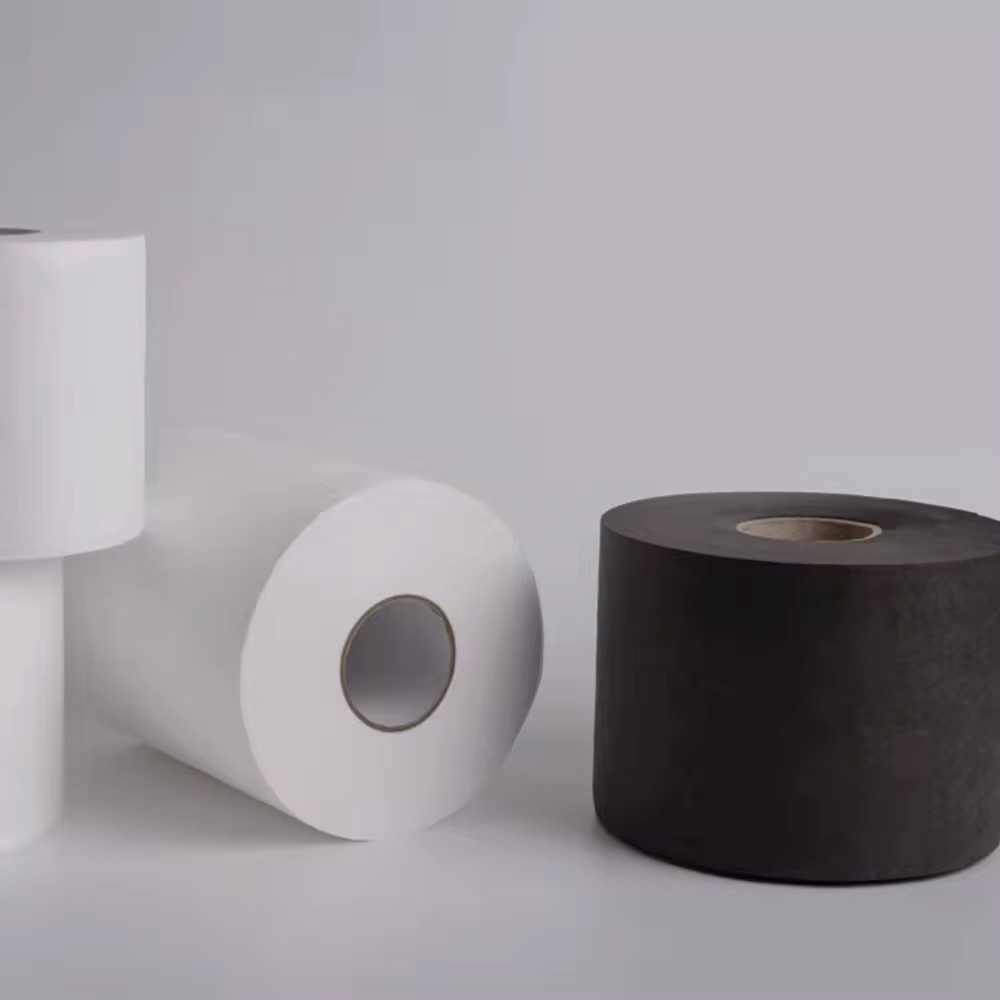
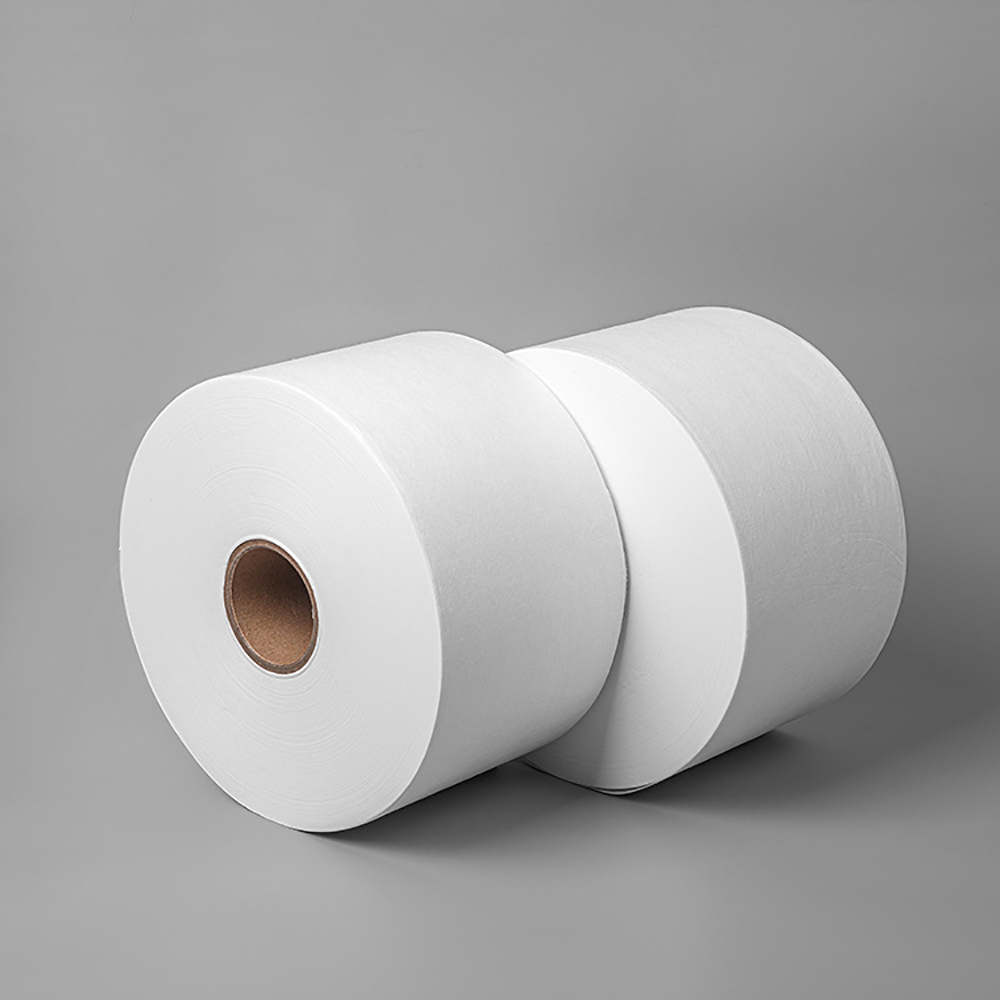
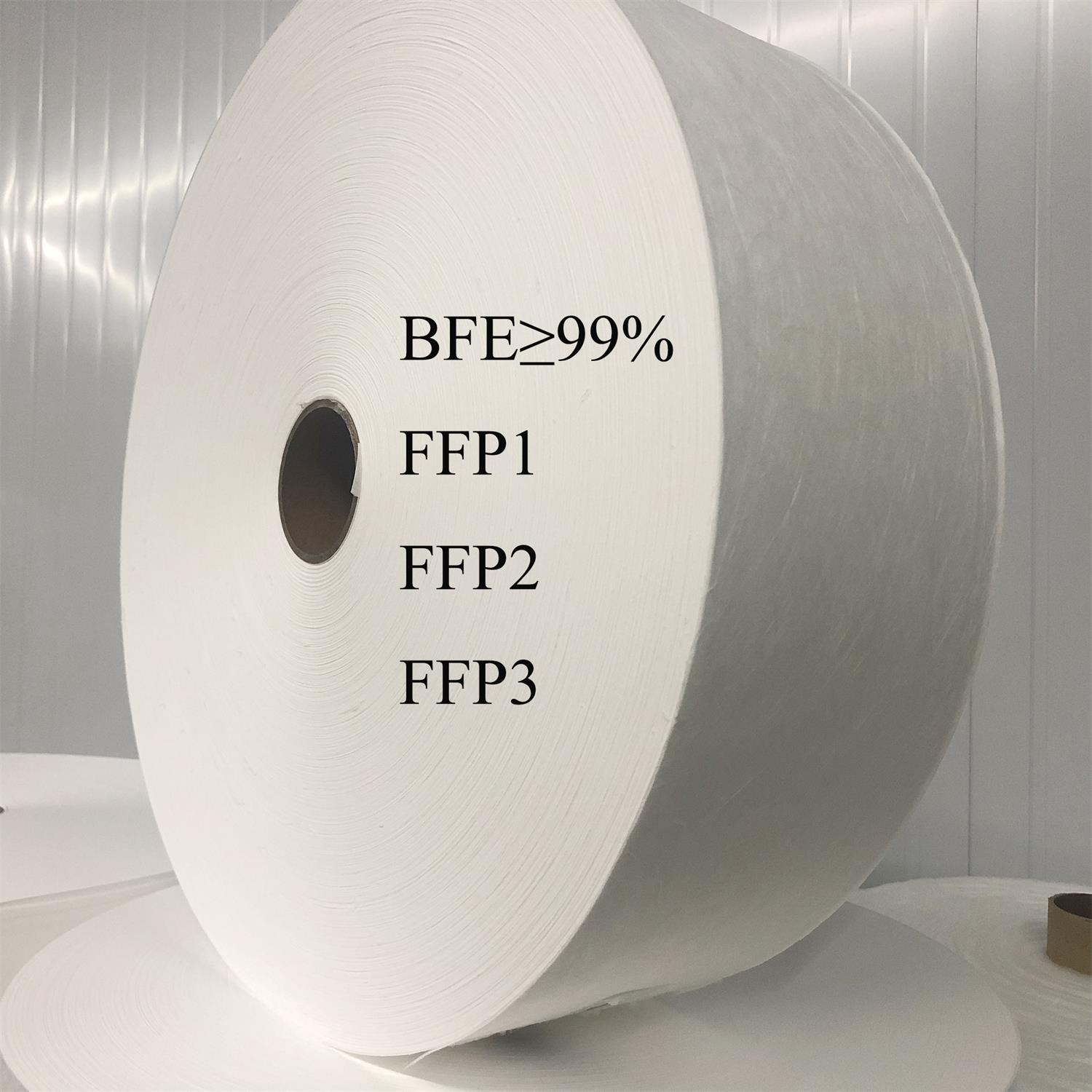
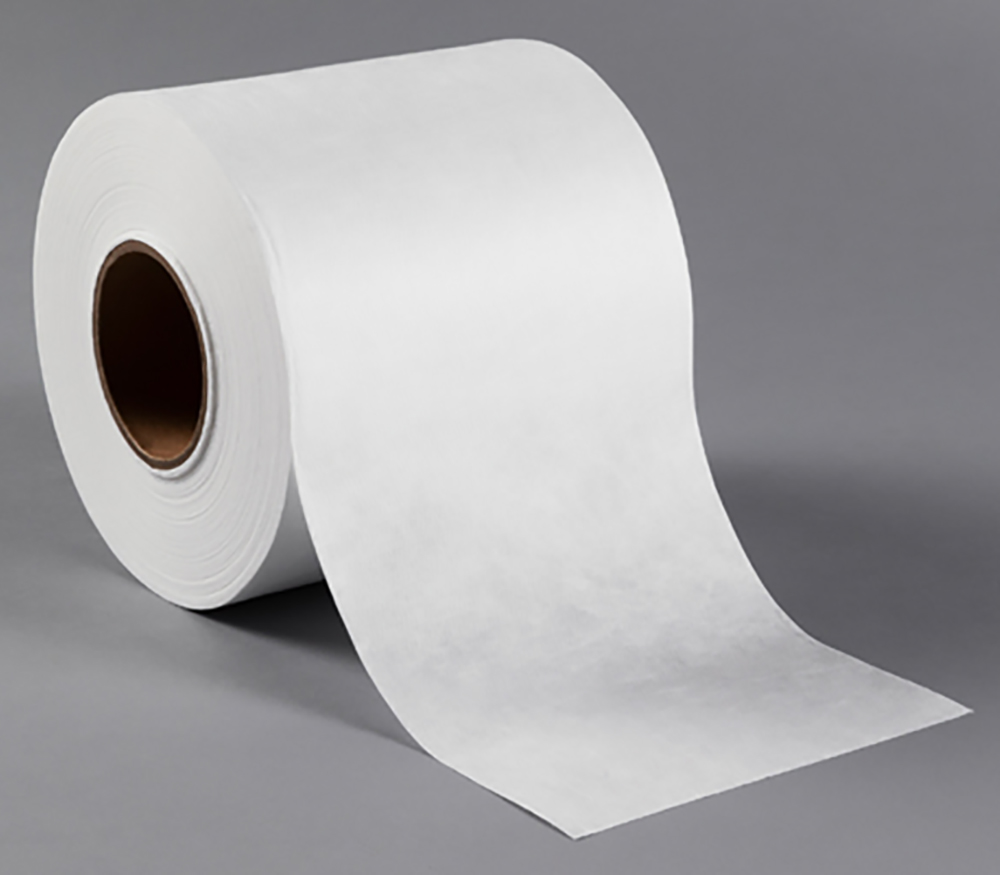
Face masks have become an essential part of daily life, offering protection in healthcare, industrial, and public settings. But what goes into making these masks effective? The secret lies in the mask raw materials, including non-woven fabrics, meltblown layers, and other critical components. Understanding these materials helps industries innovate and consumers appreciate the science behind everyday essentials.
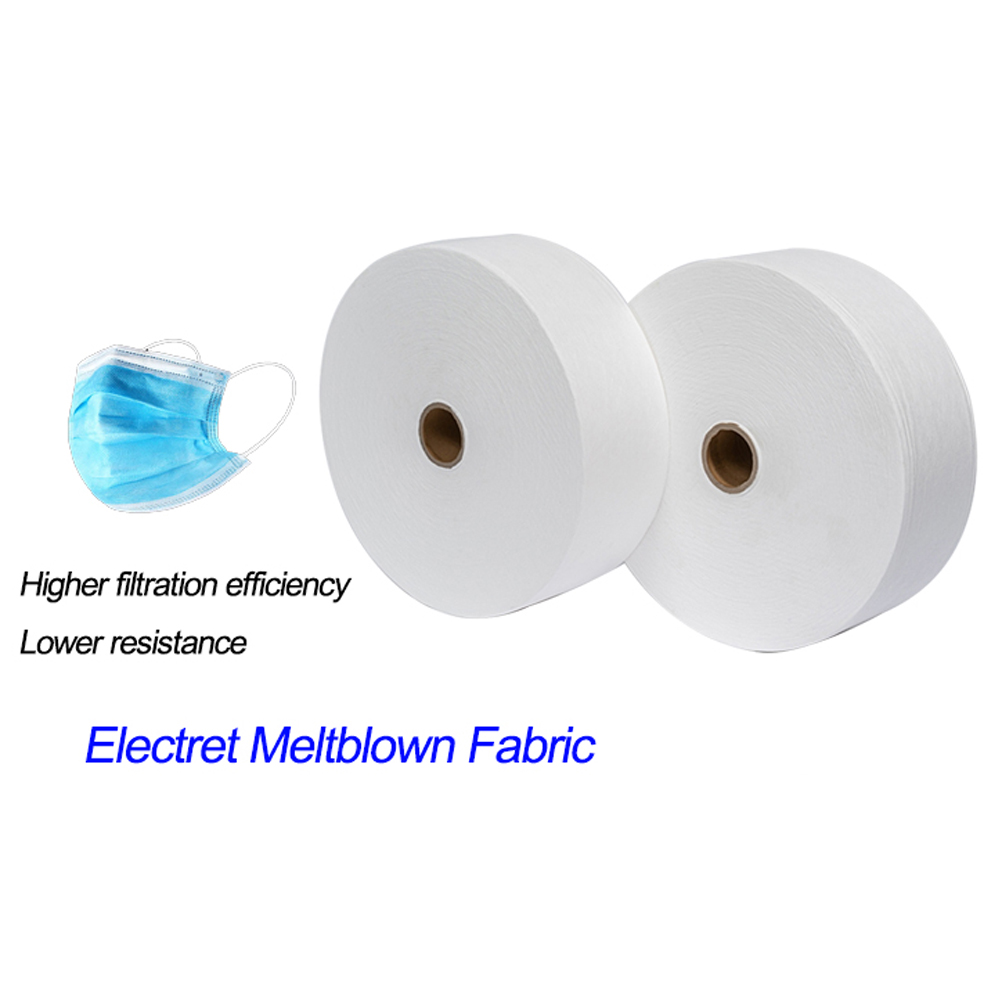
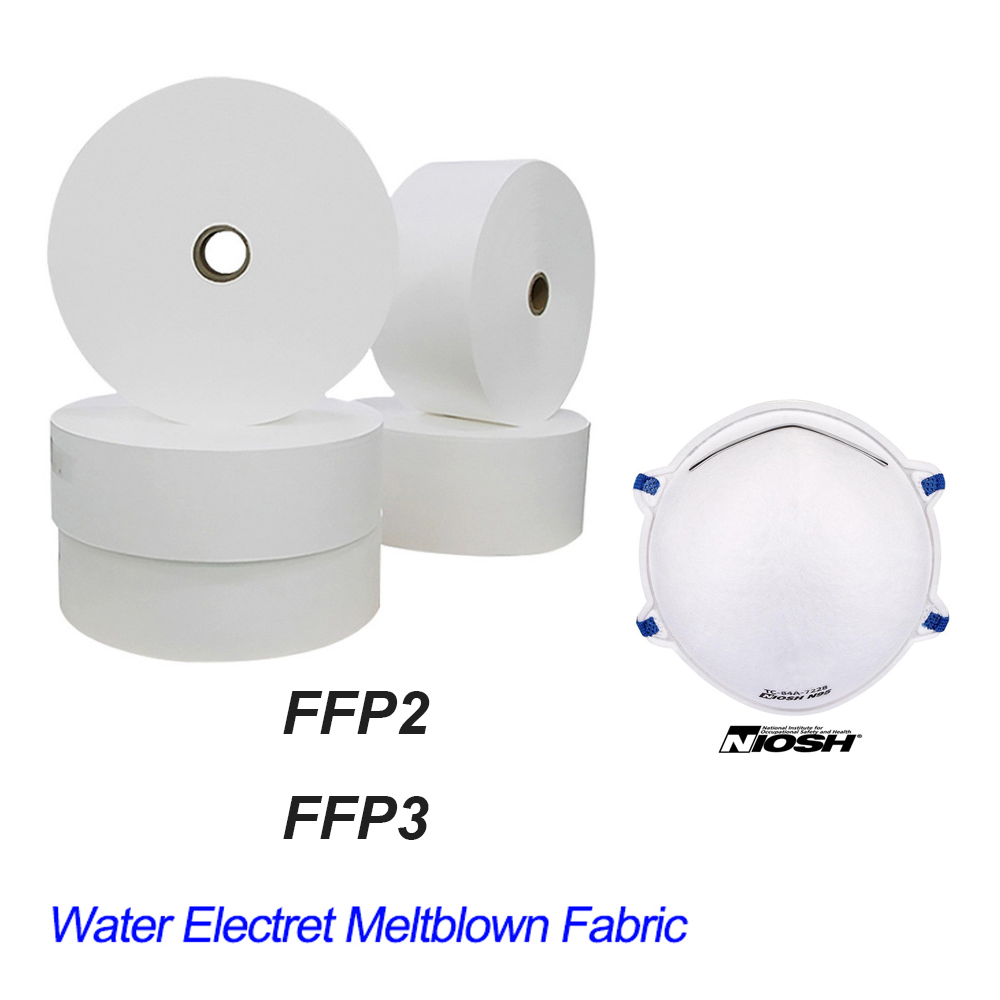
There are disposable face masks and industry respirators, such as 3ply face mask, medical masks, KN95 masks, KF94 masks, FFP2, FFP3 cup masks and respirators, the raw materials are meltblown fabric, nonwoven fabric, needle punched nonwoven, activated carbon nonwoven, nose wire, earloop, etc.
What Are Mask Raw Materials and Why Are They Important?
Mask raw materials are the building blocks of face masks, defining their effectiveness, comfort, and durability. From the outer layer to the filtration layer, every component plays a crucial role in meeting specific standards.
Core Components
Spunbond Nonwoven Fabric: Provides structure and durability.
Meltblown Fabric: Offers filtration efficiency by trapping microscopic particles.
Elastic Bands and Nose Strips: Ensure secure fitting and user comfort.
The careful selection and combination of these materials determine whether masks meet medical or industrial-grade requirements.
Non-woven fabrics are the backbone of face mask production. Unlike woven fabrics, they are created by bonding fibers through heat, pressure, or adhesives, resulting in a versatile and cost-effective material.
Key Benefits
Breathability: Essential for comfort during prolonged use.
Strength: Provides a durable structure without adding bulk.
Water Resistance: Protects against liquid penetration, critical for medical masks.
Nonwoven fabrics like spunbond and meltblown ensure masks meet the highest performance standards.
What Role Does Meltblown Fabric Play in Medical Masks?
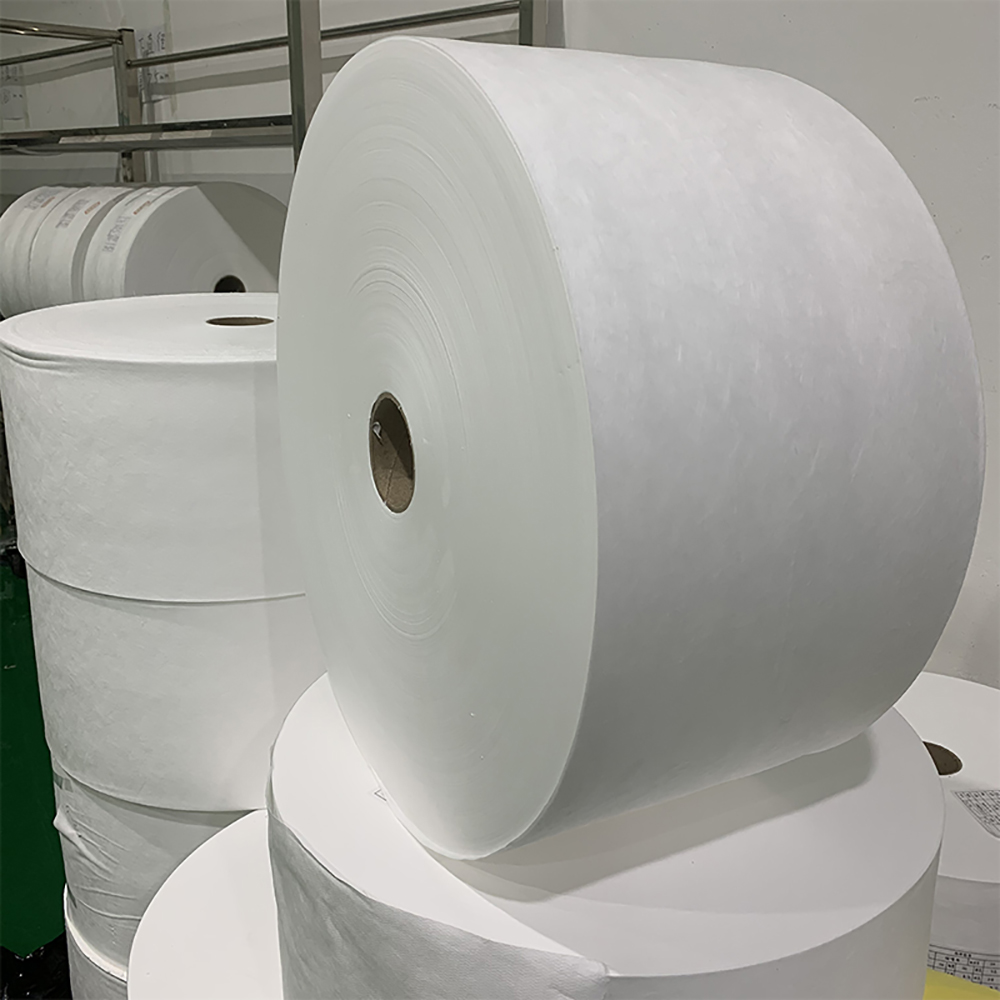
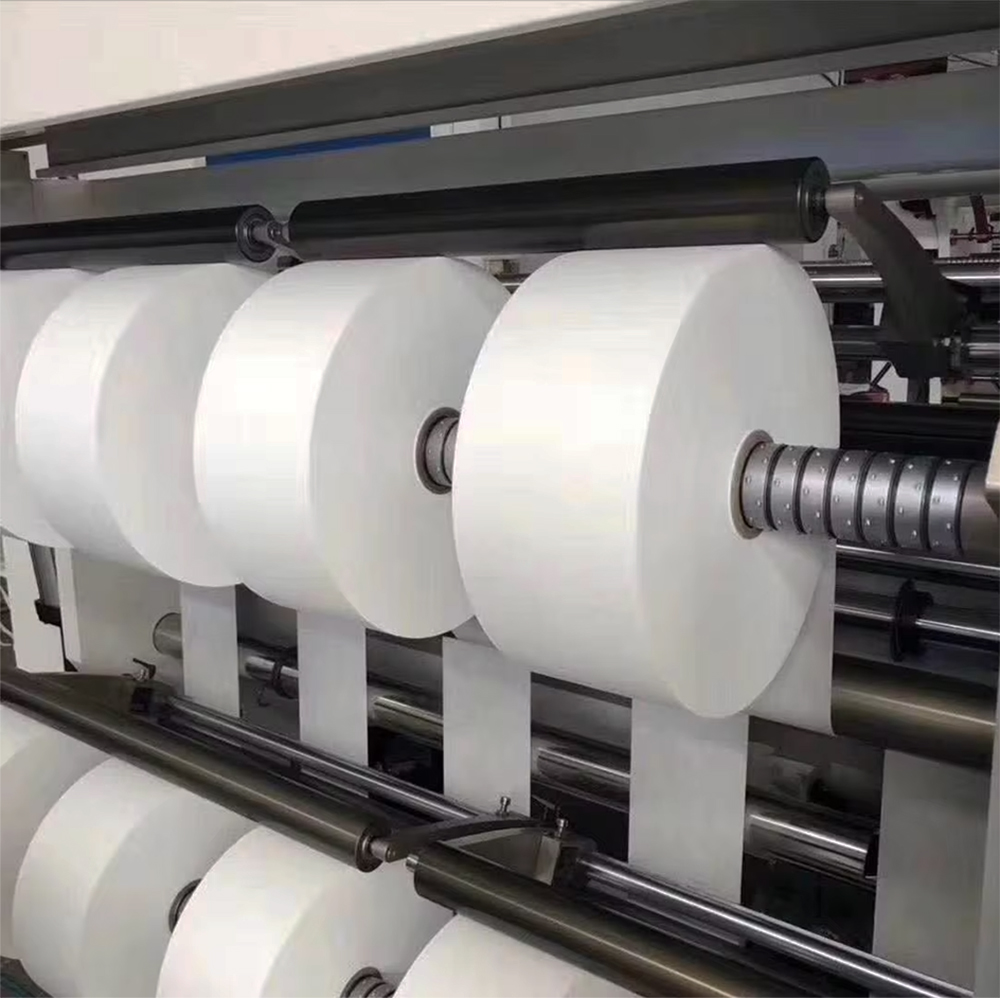
Meltblown fabric is the star of the show when it comes to filtration. Made from polypropylene, this ultra-fine fabric captures particles as small as 0.1 microns, making it ideal for medical masks.
Applications
N95 Respirators: High filtration efficiency for both solid and liquid aerosols.
Surgical Masks: Prevents transmission of infectious agents.
Its electrostatic properties enhance filtration, making it indispensable in medical-grade masks.
What Is Spunbond Fabric, and Why Is It Essential for Masks?
Spunbond nonwoven fabric forms the outer and inner layers of most masks. Its lightweight yet durable nature makes it an ideal choice for these applications.
Property
Benefit
Lightweight
Enhances user comfort.
Hydrophobic
Resists water and fluid penetration.
Cost-Effective
Reduces production costs for manufacturers.
Together with meltblown fabric, spunbond ensures masks meet stringent safety and comfort standards.
How Are Polypropylene and Polyester Used in Mask Production?
Polypropylene (PP) is the primary material for most mask layers due to its versatility and performance. Polyester is sometimes blended to enhance certain properties.
Advantages of Polypropylene
High melting point makes it suitable for sterilization.